CBD and THC Vapes vs. Edibles: What Australian Patients Should Know Before Choosing
If you've spent any time researching medicinal cannabis in Australia, you've probably noticed the sheer number of product formats now available through prescription and how confusing it can be to work out which one actually suits your situation. Vapes and edibles are two of the most requested categories, but they behave very differently once they're in your system, and picking the wrong format for your lifestyle can mean the difference between a treatment that works and one you end up abandoning.
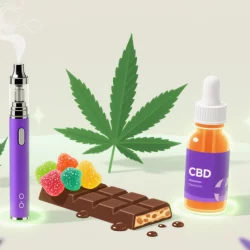
Let's start with vapes, since they're usually the first thing people ask their prescribing doctor about. Vaporised cannabis flower or extract is inhaled, which means it reaches the bloodstream through the lungs almost immediately. Patients often report noticeable effects within minutes. That fast onset makes vapes a popular choice for people managing acute symptoms sudden pain flares, nausea, or anxiety spikes where waiting an hour or two for relief simply isn't practical. Dosing is also easier to fine-tune with a vape, since you can take a small inhalation, wait, and assess before deciding whether more is needed.
CBD-dominant and balanced CBD:THC vape formulations are both available in Australia through prescription, and the ratio matters more than people expect. A higher-CBD blend tends to suit patients who want symptom management without pronounced psychoactive effects, while a balanced or THC-leaning formulation is often prescribed for more severe pain or sleep disruption where CBD alone hasn't been sufficient. This is genuinely a conversation to have with your prescribing doctor rather than something to self-select, since the right ratio depends on your diagnosis, tolerance, and any other medications you're taking.
Edibles sit at the other end of the spectrum. Because they're metabolised through the digestive system and liver before reaching the bloodstream, onset is much slower commonly 45 minutes to two hours — but the effects tend to last considerably longer than inhaled products. For patients managing chronic, ongoing conditions rather than acute flare-ups, that extended duration can mean fewer doses needed across the day. The trade-off is precision: it's harder to titrate an edible dose in real time, so most clinicians recommend starting low and giving each dose plenty of time to take full effect before considering more.
There's also a lifestyle dimension that's easy to overlook. Vapes require a device and a moment of discretion that not everyone has access to during a workday. Edibles are easier to take unnoticed but need more forward planning, since you can't adjust on the fly the way you can with inhalation. Some patients end up using both formats for different purposes a vape for breakthrough symptoms and an edible or capsule for steady, background management.
None of this replaces a proper consultation. Legal access to either format in Australia requires a prescription from an authorised doctor, following the same TGA-regulated pathway regardless of which product type you land on. If you're weighing up formats, a good place to start is a detailed comparison of flower, extracts, and vape options, alongside a dosing-focused guide if CBD oil is part of the conversation too. From there, the pillar guide on accessing medicinal cannabis in Australia walks through what the prescription pathway actually looks like end to end.
Whichever format you and your doctor land on, the goal is the same: consistent, manageable symptom control that fits into your actual life — not just whatever's fastest to try first.
More to Read:


Previous Posts: